
How to Keep Customer Records That Help You Serve Repeat Buyers

A returning customer says, “I want the same thing as last time.” You recognise the name, but finding the previous order means searching through months of conversations.
Useful customer records make that moment easier. They give you a starting point for the next conversation: what the person ordered, what you agreed and whether there is unfinished work to resolve.
You do not need to collect every detail about a customer. Focus on information that helps you provide the service they requested.
Keep contact information accurate
Use the customer’s name and a reliable contact method. Check details when an order comes in instead of assuming that the person paying and the person receiving the item are always the same.
Before creating a new record, look for an existing one. Duplicate entries can split someone’s history across several profiles and make their orders harder to follow.
If you discover a mistake, correct it carefully and check that you are updating the right person.
Connect the customer to their orders
An order history is more useful than a name on a list. Keep the requested offering, agreed specifications, relevant dates and payment records associated with the transaction.
For a repeat booking, that history can help you ask a better question: “Would you like the same service as your previous appointment, or would you like to change anything?”
Confirm the new request rather than treating an earlier preference as a permanent instruction.
Write notes you can use responsibly
A helpful note might explain an agreed collection arrangement or a service requirement that the customer has supplied. Keep notes factual, relevant and respectful.
Avoid collecting sensitive information simply because you have space to store it. Review what you retain and limit access to people who need it for their work. Follow your stated privacy practices when handling customer information.
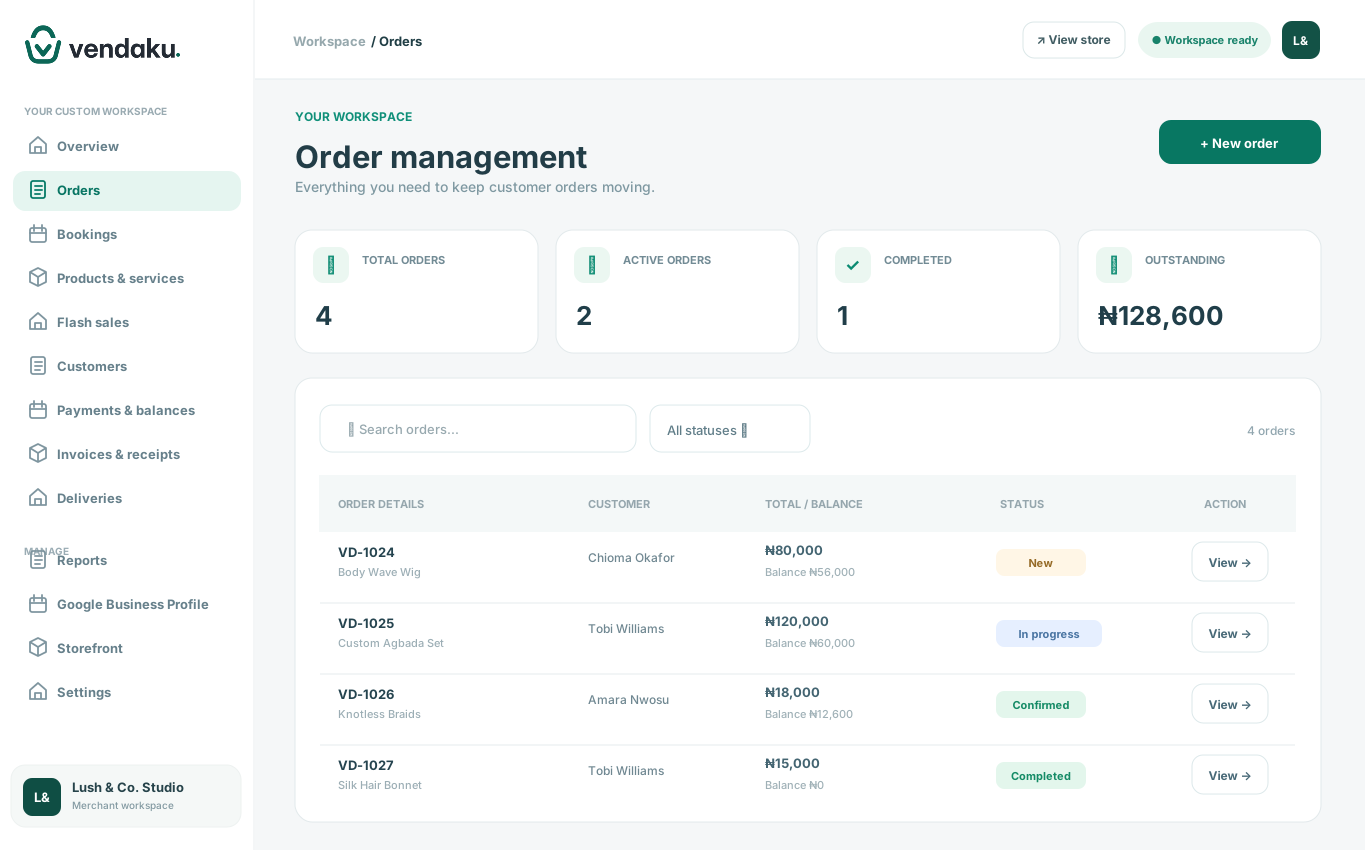
Vendaku brings customer records and order history into the workspace, helping you find the context for a returning customer’s request.
Use the history to prepare for the conversation
Before replying to a repeat buyer, check whether their last order is complete and whether any balance or issue needs attention. This helps you give a consistent answer when the new conversation starts.
You can also see whether you already have the details needed for a new request. Confirm anything that may have changed, such as the delivery address or appointment requirements.
An organised history supports service, but it does not replace listening to what the customer wants now.
Keep follow-up purposeful
If an order requires an update, contact the customer through the agreed channel. For promotional follow-up, respect their preferences and any applicable requirements; a past purchase should not be treated as blanket permission for every message.
Review records periodically so outdated details do not keep causing avoidable mistakes. The aim is a useful working record that helps the next interaction feel considered and well organised.
Keep customer context close to every order. Explore Vendaku’s customer management tools or start your 30-day Starter trial.